 You are currently shopping on Aesthetics Depot Canada


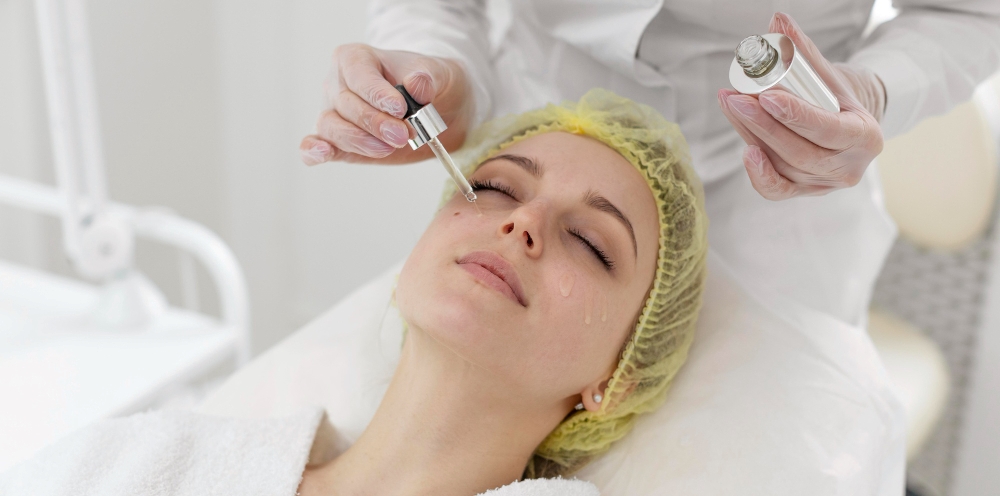
Medical-grade, high-quality skincare serums provide transformative results that surpass those of over-the-counter products. They contain a high concentration of active ingredients, are rigorously tested and must be administered by certified professionals.
As an aesthetician, it is your responsibility to deliver more targeted results and enhanced efficacy, regardless of the skin concern your clients present to you. So, let’s take a look at how professional-grade serums factor into this:
What Does “Medical-Grade” Mean?
Did you know that the term “Medical-Grade” is not Health Canada-approved? Meaning: Anybody has the right to slap this label on their skincare products. So, does this mean that you can’t just buy any product for your clients?
Not necessarily! Legitimate medical-grade skincare products have distinct characteristics that set them apart from OTC products. Take a professional chef and a home cook, for example. They both know how to cook food, and the basic ingredient that pulls everything together is salt. However, the professional chef knows when to add it, how much to use and what other seasonings offer the best taste.
What Puts “Medical” in Medical-Grade Products?
Authentic medical-grade products contain ingredients listed in the Health Canada Drug Monograph. That is a pharmaceutical term for non-prescription drugs that do not require clinical trials before hitting the shelves. Such products contain 2 to 10 times higher concentrations of specific ingredients than OTC versions. Some of these are even backed by peer-reviewed studies.
Genuine medical-grade products are available through professional-only distribution channels, such as Aesthetics Depot. You may wonder what the reason is behind this professional oversight.
Health Canada has drawn a clear line in the sand: When it comes to OTC products, only 10% glycolic acid is considered safe. Anything stronger should only be applied by a professional. This is how aestheticians reassure their clients that they are not using just any drugstore brand.
The Science Behind Potency
Many active ingredients don’t go together. To solve this puzzle, brands offering medical-grade skincare products split their products across multiple lines. This ensures that another active ingredient does not cancel the potency of the active ingredient.
For example, Vitamin C is a common drugstore product. The standard version contains 5% to 10% L-ascorbic acid. However, this raises questions about its stability. When it comes to medical-grade formulations, the products contain 15% Vitamin C with a few stabilizing ingredients. To ensure the combination is safe, the products are rigorously tested and released to the shelf only then.
Two ingredients that are a must in every skincare routine but destabilize each other when combined are Vitamin C and Retinol. This is why they are always offered separately. The former is for morning skincare, and the latter for evening skincare.
Medical-Grade Products vs. OTC Products
|
Feature |
Medical-Grade Aesthetic Products |
Over-the-Counter Cosmetic Products |
|
Formulation Strength |
Higher concentration of active ingredients for measurable clinical results |
Lower concentration to ensure safety for general consumer use |
|
Efficacy |
Clinically tested and proven outcomes |
Mild effects, primarily for cosmetic improvement |
|
Regulation & Safety |
Regulated by medical authorities; often requires professional oversight |
Regulated as cosmetics; minimal clinical testing required |
|
Usage |
Designed for professional application by trained aestheticians or clinicians |
Safe for self-application by the general public |
|
Customization |
Can be tailored to specific client skin concerns |
Standardized formulas for broad consumer use |
|
Cost |
Higher initial investment, justified by effectiveness and patient satisfaction |
Lower cost, lower potency, and limited long-term results |
|
Results |
Predictable, long-lasting, and clinically measurable |
Temporary, cosmetic improvement only |
|
Support & Training |
Often accompanied by professional training, protocols, and clinical support |
Minimal or no professional support provided |
|
Suitability for Clinic Use |
Ideal for adding value to professional treatments and enhancing outcomes |
Limited impact on professional treatment protocols |
How to Choose the Right Serum for My Client’s Skin?
The first rule of applying any medical-grade serum on your client’s skin is to determine their skin type and concerns. Here are a few examples:
- If you are targeting pigmentation, choose a niacinamide or Vitamin C serum.
- If you are targeting anti-aging signs, such as fine lines and wrinkles, look for ingredients like retinol or peptides.
- If your client has dehydrated skin, look for a serum rich in hyaluronic acid (HA).
- If your client’s skin is prone to acne, a serum with niacinamide or salicylic acid will work wonders.
Also, pay attention to the active ingredients and their concentration. Though a concentrated serum delivers quicker results, it also increases the risk of irritation if your client has sensitive skin.
Improved Penetration and Delivery Mechanisms
Medical-grade skincare formulas feature an advanced delivery system that penetrates the skin deeply. As a result, the active ingredients reach the deeper skin layers, making the treatment more effective. Certain delivery systems ensure the ingredients stay potent and stable until they reach their destination.
Let’s take Vitamin C, for example. It is notoriously unstable and degrades when exposed to air or light. However, medical-grade Vitamin C is encapsulated, so it remains potent until applied to the skin.
Personalized Treatment for Specific Skin Conditions
One of the best aspects of medical-grade skincare products is that they allow you to tailor a treatment regimen to your clients’ specific needs. This approach helps you treat individual skincare concerns, such as melasma, rosacea, acne and more.
The targeted solutions contain active ingredients at therapeutic levels. For example, if your client is dealing with acne, consider adding salicylic acid or benzoyl peroxide to their treatment. Not only will these ingredients improve their acne, but they will also boost skin health.
Are You Ready to Offer the Best Aesthetic Experience to Your Clients?
In conclusion, selecting a high-quality, medical-grade skincare product is essential if you want to offer your clients the best experience. By harnessing the power of specialized formulations and pharmaceutical-grade ingredients, you can deliver targeted solutions, optimize treatment effectiveness, and expedite visible results.
At Aesthetics Depot, we believe that medical-grade skincare products enable aestheticians and medical professionals to provide care with confidence. This helps them deliver a more radiant, healthier complexion. Check out our product lines to know what brands we offer.