 You are currently shopping on Aesthetics Depot Canada


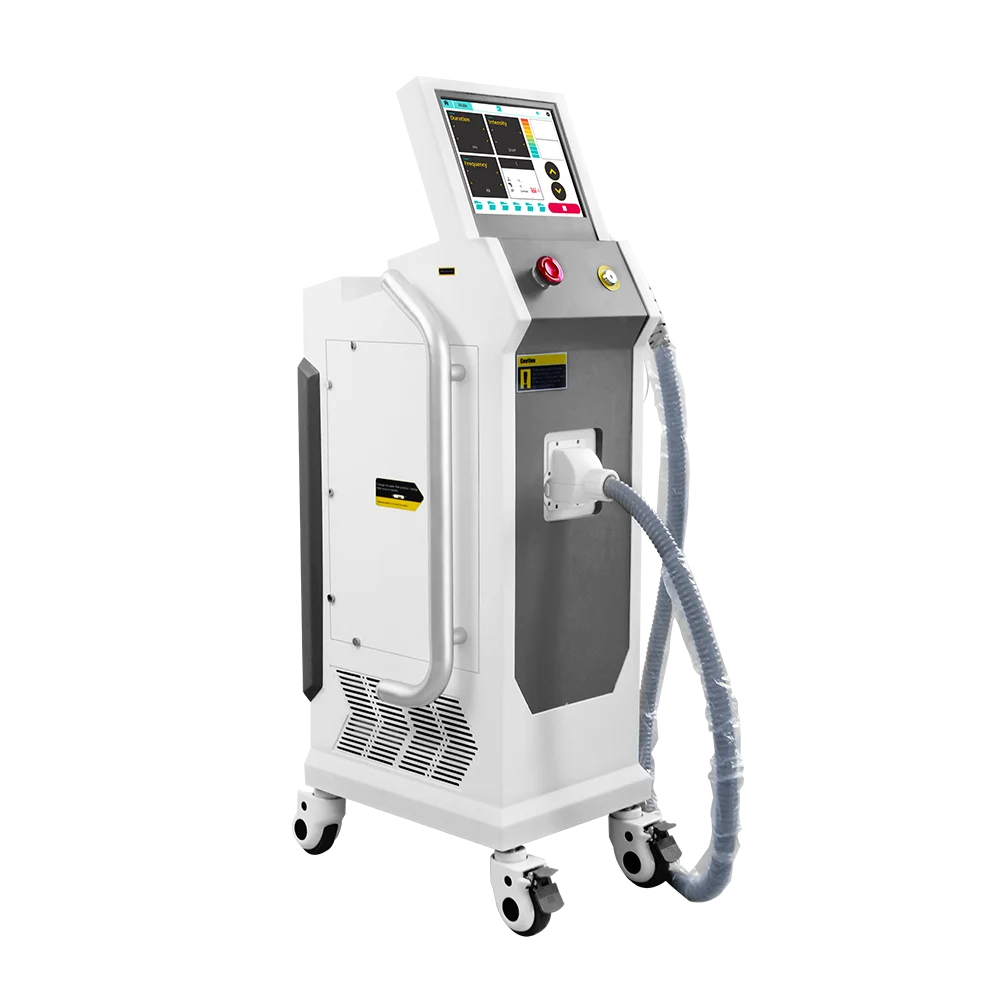
Meet PLUTUS Super Ice ❄
Innovative Tech, Affordable Luxury & Game Changing
The PLUTUS Super Ice ❄ Laser Hair Removal System is designed for highly efficient, permanent hair removal treatments suitable for various skin types. Equipped with Wavelengths for ALL Skin Types that simply Deliver Results Beyond Compare with the least amount of treatable sessions.
With this innovative, cutting-edge technology, including advanced cooling systems and safety features, the PLUTUS Super Ice❄ hands down, has become North America’s Most Affordable and Reliable choice by Clinics, Salon Owners and Aesthetic Operators when choosing a laser hair removal system.
Fitzpatrick Skin Type Compatibility
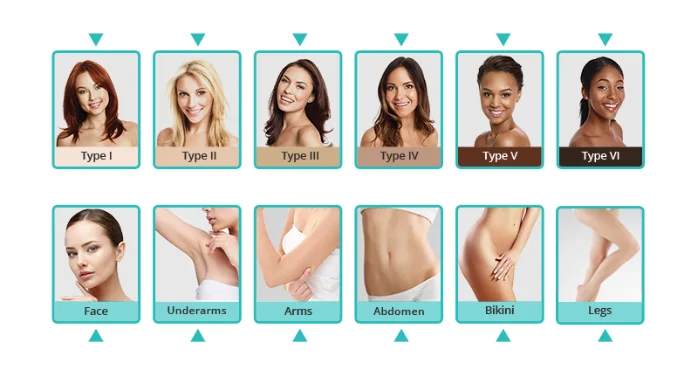
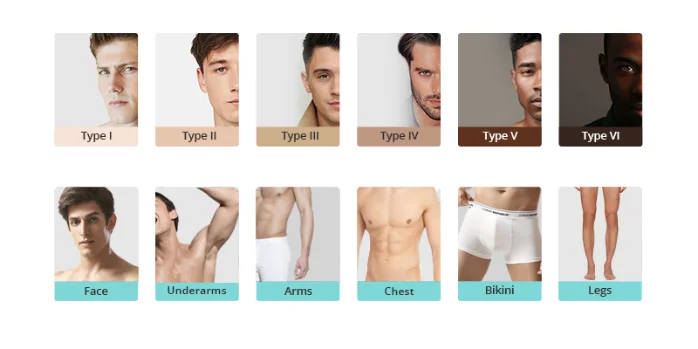
- Skin Type I: Very fair skin (Never tans, always burns).
- Skin Type II: Fair skin (Tans minimally, burns easily).
- Skin Type III: Medium skin (Tans gradually, burns moderately).
- Skin Type IV: Olive skin (Tans easily, burns minimally).
- Skin Type V: Brown skin (Tans well, rarely burns)
- Skin Type VI: Dark brown or black skin (Always tans, never burns)
Download INCREDIBLE PLUTUS Super Ice ❄ Brochure
Versatile Coverage: Effective Hair Removal for Every Area

- Facial Areas: Nostrils, Ears, Upper Lip, Chin, Sideburns, & Jawline.
- Body Areas: Arms, Underarms, Chest, Back & Legs.
- Sensitive Areas: Brazilian, Bikini Line, & Other Delicate Zones.
Key Features of PLUTUS Super Ice ❄
1. Powerful Advanced Laser Technology
2. Head-to-Toe Treatable Areas
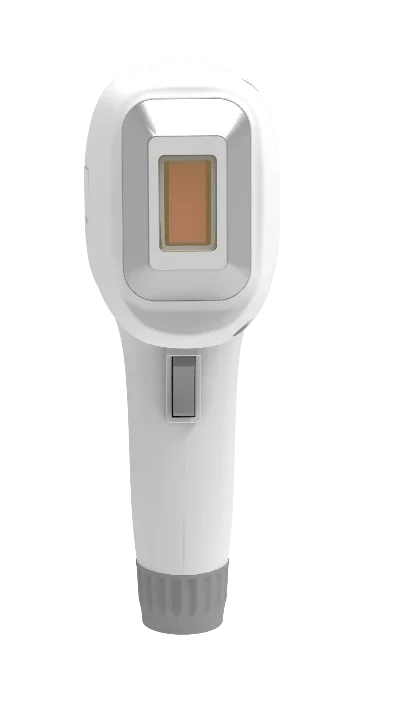
The X-Large Spot Size ensures shorter treatment times, particularly when covering large areas, including the arms, back and legs. It helps treat more surface area, saving the aesthetic practitioner useful time.
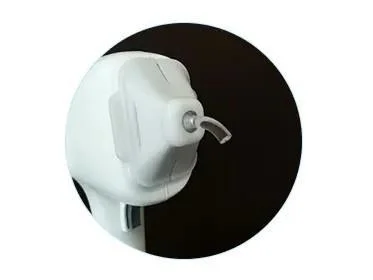
b. Snap-On Small Area Attachment
For hard-to-reach and smaller areas, such as the sideburns, ears, and nose, the PLUTUS Super Ice ❄ comes with a specialized snap-on attachment. By magnetizing it onto the treatment handle, the attachment’s pipe-like protrusion offers a smaller spot size for precise targeting of sensitive areas.
3. Advanced Cooling Technology
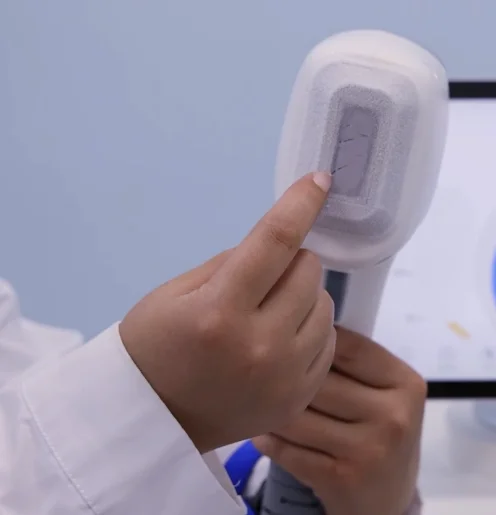
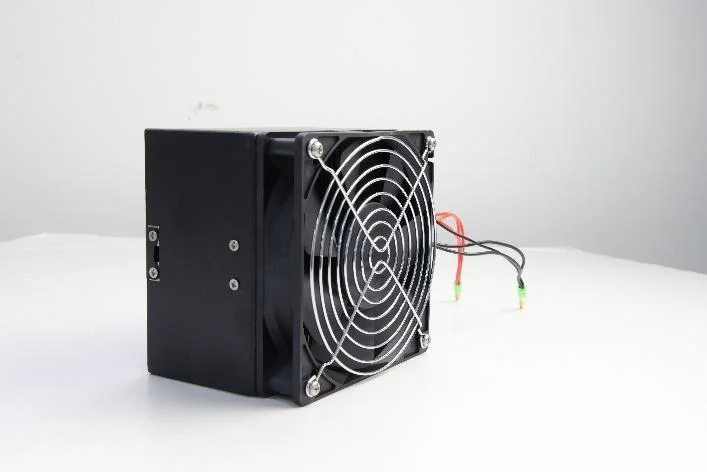

a. Built-In Monitors for Optimal Safety and Performance
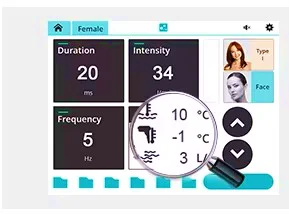
Water Temperature
Water Flow Rate

Handle Temperature
b. Seamless Control: Advanced Displays
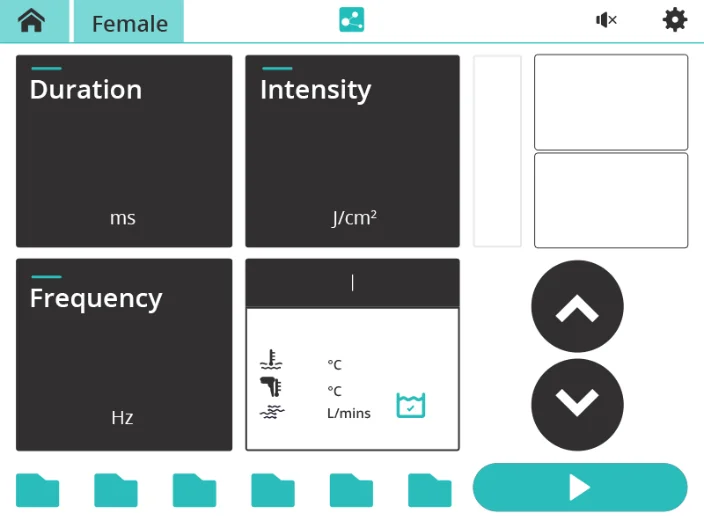
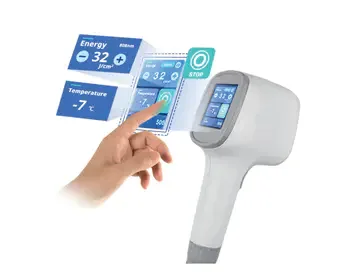
10.4″ TFT LCD Screen:
System Parameters
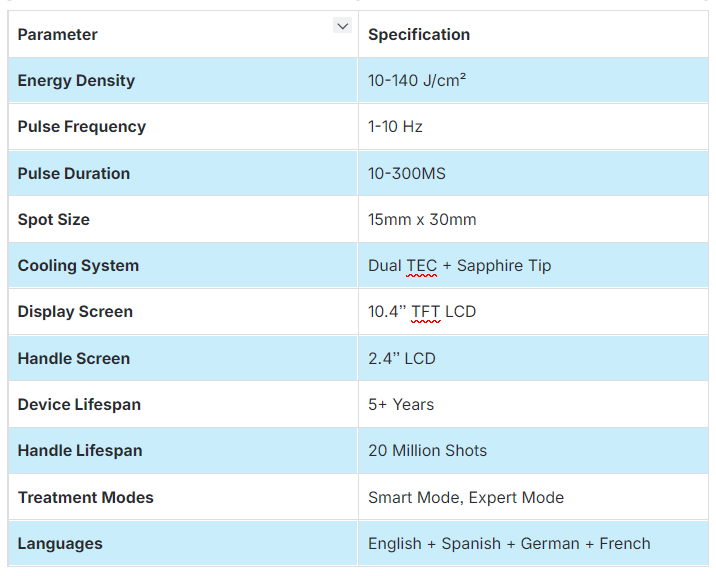
Laser Hair Removal FAQ's
Most of the time, yes — healed implants are not a barrier.
The laser targets melanin near the skin surface, not bone depth. Multiple tissue layers separate your skin from the metal plate. Confirm healing first, then run a conservative test spot.
No — the physics simply doesn’t allow it at these wavelengths.
Hair lasers target pigment, not the deep tissue below it. Dermis, fat, and muscle all sit between the skin and the implant. The plate itself doesn’t absorb that specific laser energy.
Active inflammation is the clearest reason to stop and reschedule.
Impaired healing or broken skin integrity also puts treatment on hold. Any concern requiring a doctor’s sign-off means deferring the session. The area must be fully healed before proceeding.
Follicles fully disabled during treatment won’t produce hair again.
Some survive — especially those not in the active growth phase. Treated areas tend to come back sparser, softer, and noticeably finer. Regrowth happens, but it’s a different texture entirely.
Expect significant reduction, not guaranteed total clearance.
Only follicles treated during the anagen phase are reliably disabled. Resting follicles at the time of treatment can still come back. Multiple sessions are scheduled for exactly that reason.
Absolutely — thinning and refining is a completely valid treatment goal.
Settings are adjusted to reduce density and coarseness, not to erase everything. The result reads as natural, not artificially smooth. Not every man walking in wants a bare chest.
Age, skin type, and hair coarseness all shape the session parameters.
Hair density and the client’s target outcome matter just as much. Grey or white hair won’t respond — factor that into expectations. Every plan is built around the individual.
The laser needs melanin — grey and white hairs simply don’t have enough.
Without pigment to absorb the energy, the follicle is never targeted. This conversation needs to happen upfront with clients who have mixed hair. Realistic expectations depend on it.
Previous trauma changes how tissue responds — sensitivity goes up noticeably.
A test spot shows how the skin reacts before a full pass. It’s a small step that prevents a bigger problem mid-treatment. Comfortable results start with one conservative test area.
There’s no single number — it depends on the client’s hair cycle.
Hair grows in phases; only active follicles respond to each session. Most clients need several sessions spaced weeks apart. The final count depends on how much reduction they want.